A Look Back: Louisiana’s Top Pest Problems in 2025
Formosan and Subterranean Termites: Louisiana’s Silent Destroyers
Spring and early summer 2025 brought one of the most active termite seasons Louisiana has seen in recent years. Our region’s warm temperatures, frequent rainfall, and high humidity created the perfect storm for termite activity—especially for two of the most destructive types: Formosan termites and native subterranean termites.
These pests can silently cause thousands of dollars in damage before homeowners even realize there’s a problem. This year, termite-related calls surged across Lake Charles, Lafayette, Sulphur, Jennings, and surrounding areas.
Top Signs of Infestation We Detected in 2025:
Mud Tubes Along Foundations
Thin, brown tubes built by termites to travel between the ground and wood structures
Commonly seen on foundation walls, under porches, and inside crawl spaces
A strong indicator of an active subterranean colony nearby
Hollow-Sounding or Blistered Wood
Wood that sounds papery or feels soft when tapped
Bubbling paint or raised wood grain often mistaken for water damage
Typically found in baseboards, door frames, window sills, and flooring
Swarmers Around Lights and Windows
Winged termites seen flying around outdoor lighting or accumulating on windowsills
Especially common in May and June during humid evenings
Discarded wings left behind are a sure sign a colony is nearby
Frass (Termite Droppings)
Small, pellet-like droppings found near infested wood or entry points
Usually dry and powdery in texture
More common with drywood termites but sometimes found with heavy Formosan activity
Stinging Insect Surges: Louisiana's Unwelcome Buzz
In 2025, stinging insect activity surged across Louisiana—particularly during late spring and summer. With rising temperatures and increased outdoor activity, homeowners saw a dramatic uptick in wasp, hornet, and yellow jacket infestations, especially in outdoor structures and hidden cavities around the home.
These aggressive pests are not only a nuisance but a serious health risk, especially to children, pets, and anyone with allergies.
Common Complaints We Received:
Wasps nesting near entry points
Found around porches, soffits, deck rails, and under roof overhangs
Especially dangerous due to proximity to doors and windows
Hornets nesting in elevated spots
Often spotted inside tree branches, attic gables, and eaves
Large, enclosed nests that develop quickly in hidden locations
Yellow jackets invading ground-level spaces
Built nests underground, in wall voids, and even in outdoor play structures
Highly aggressive when disturbed
Recurring infestations after DIY attempts
Multiple clients tried store-bought sprays, only for nests to return stronger
Missed nests or queen survival often leads to reinfestation within weeks
Roaches in All the Wrong Places: What We Learned in 2025
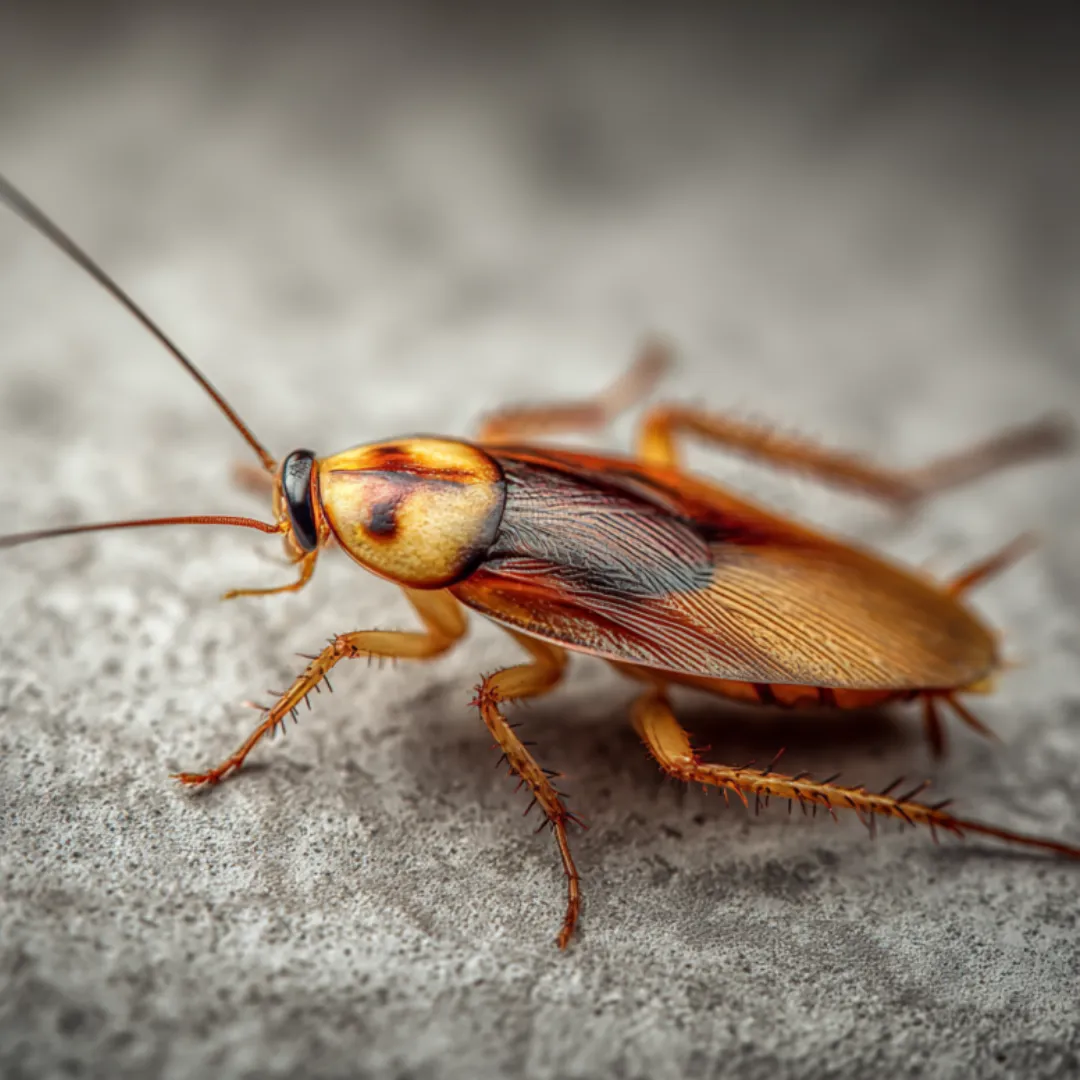
In 2025, American and German cockroach infestations ranked among the top pest complaints in homes and multi-family residences across Louisiana. These pests weren’t just a creepy inconvenience—they posed health risks, spread bacteria, and signaled sanitation or moisture problems that needed urgent attention.
The Most Common Places Roaches Were Found:
Kitchens
Behind and underneath refrigerators and stoves
Inside microwaves, toasters, and other appliances
Around sink cabinets and baseboards where crumbs accumulated
Bathrooms
Under sinks and around toilet bases due to excess moisture
Inside linen closets, especially near warm, dark corners
Along cracked tile grout or wall crevices
Laundry Rooms & Utility Spaces
Near water heaters, washing machines, and dryer vents
Inside storage bins, behind stacked boxes and clutter
What Attracted Them in 2025:
Understanding why roaches invaded helped us tackle infestations from the root. Here’s what we consistently saw across homes:
1. Excess Moisture
Leaky pipes and condensation created ideal breeding environments
Poor ventilation in bathrooms and kitchens accelerated the issue
2. Food Residue and Crumbs
Grease splatter behind ovens and microwaves
Crumbs under toasters, dishwashers, and dining tables
Open or loosely sealed pet food bags
3. Warmth and Shelter
Roaches are drawn to the warmth of appliances, especially during cooler months
They nested inside electronics and dark cabinetry where they were hard to detect
4. Clutter and Easy Hiding Spots
Piles of paper, cardboard, and plastic bags provided perfect cover
Roaches thrive in cluttered pantries, junk drawers, and unsealed storage bins
Spiders Gaining Ground: What Fall 2025 Taught Us
While spiders are a year-round presence in Louisiana homes, fall of 2025 saw a noticeable spike in activity, especially from venomous species like the brown recluse and black widow. As temperatures dropped and homeowners prepared for the holidays, spiders quietly moved in—often as a symptom of deeper pest issues.
What We Noticed Across Homes in Louisiana:
1. High Activity in Cluttered Storage Areas
Spiders love dark, undisturbed spaces—making attics, garages, and sheds prime real estate.
Homeowners storing holiday décor in cardboard boxes or stacking items on the floor often provided perfect shelter.
Areas with low foot traffic saw more spider webs and egg sacs.
2. Webs in Windows, Doors & Outdoor Furniture
We frequently spotted orb webs in window corners, patio sets, and porch railings.
Brown recluse spiders spun irregular, messy webs in basement windows, vents, and under decks.
Web clusters often indicated long-term spider presence, not just passing activity.
3. Spider Sightings Linked to Other Pests
Spiders are natural predators of flies, mosquitoes, ants, and other insects.
A surge in spider population usually pointed to an underlying pest infestation (especially roaches, flies, or silverfish).
Many clients were unaware that their spider problem was actually the result of food availability—more bugs meant more spiders.
How Extermatrim Helped Louisiana Homes in 2025:
To effectively manage these cases, our pest control teams took a multi-step approach to remove spiders and eliminate the conditions that attracted them in the first place:
1. Comprehensive Inspections
We evaluated attics, crawlspaces, garages, and perimeter zones for activity.
Identified specific spider species to determine the threat level and nest locations.
2. Targeted Treatments
Applied eco-safe residual sprays in corners, crevices, and baseboards.
Used dust formulations in wall voids, under eaves, and behind shelving units.
Placed sticky traps in discreet locations to monitor ongoing activity.
3. Client Education & Prevention
Advised homeowners to declutter and switch to sealed plastic storage bins.
Recommended sealing cracks and using sweep guards on garage and basement doors.
Provided guidance on reducing prey insects through moisture control and food cleanliness
At Extermatrim Exterminating, Inc., 2025 was a year of commitment, innovation, and community service. We’re proud to have helped thousands of homeowners and businesses stay pest-free across Louisiana.
Whether you're dealing with recurring issues or want preventative peace of mind in 2026, we’re ready to help. Let’s start the new year pest-free—together.
