
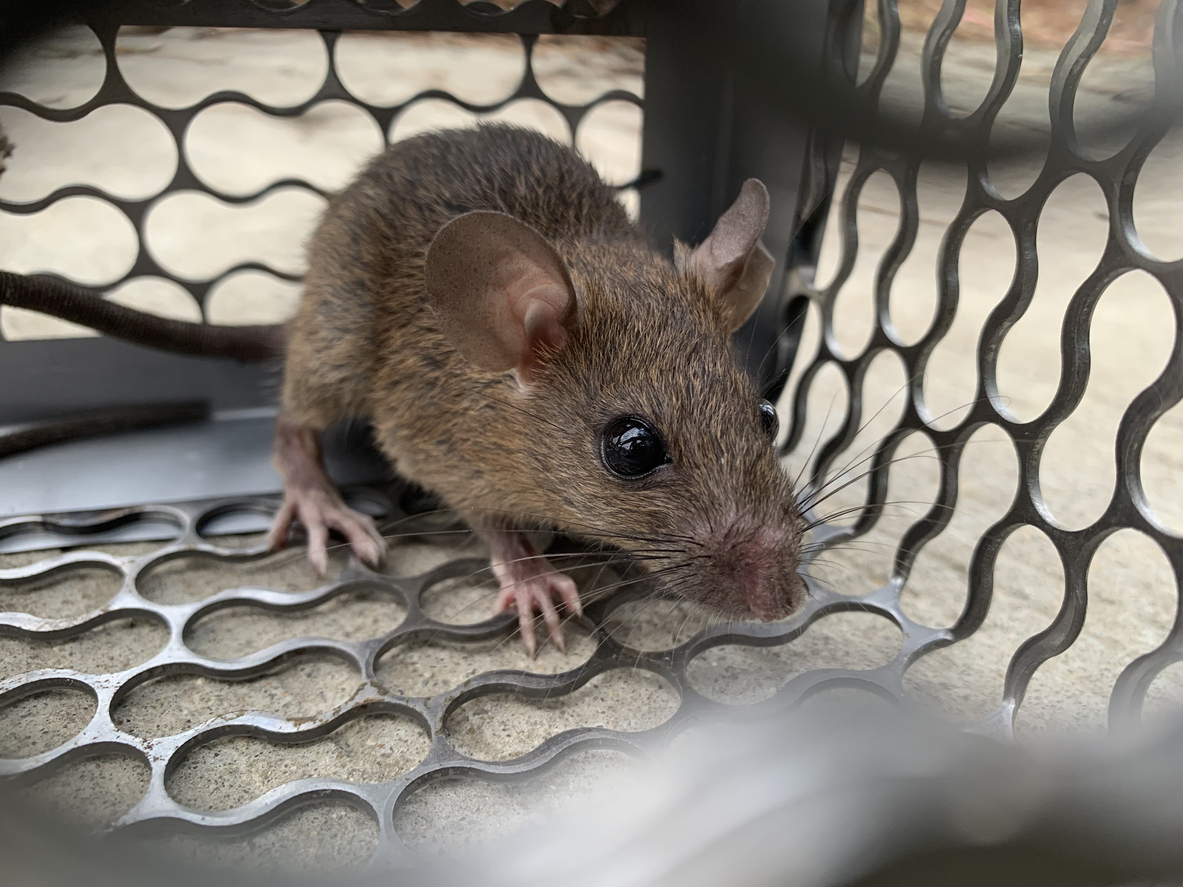
We're Here to Assist You
Rodents: A Recent Job & What Property Owners Should Watch For
Category: Holiday
Published: March 2026
By: PestMaster
What We Walked Into
This job started with a common concern: scratching noises in the walls at night. The property owner had heard the sounds for several days before noticing droppings near a storage area.
At first, they were unsure if it was rodents or something else. But when the noises became more consistent, they decided to schedule an inspection.
When we arrived, there were several signs of activity. Rodents had found a way inside and were using hidden areas to move through the property.

The Problem
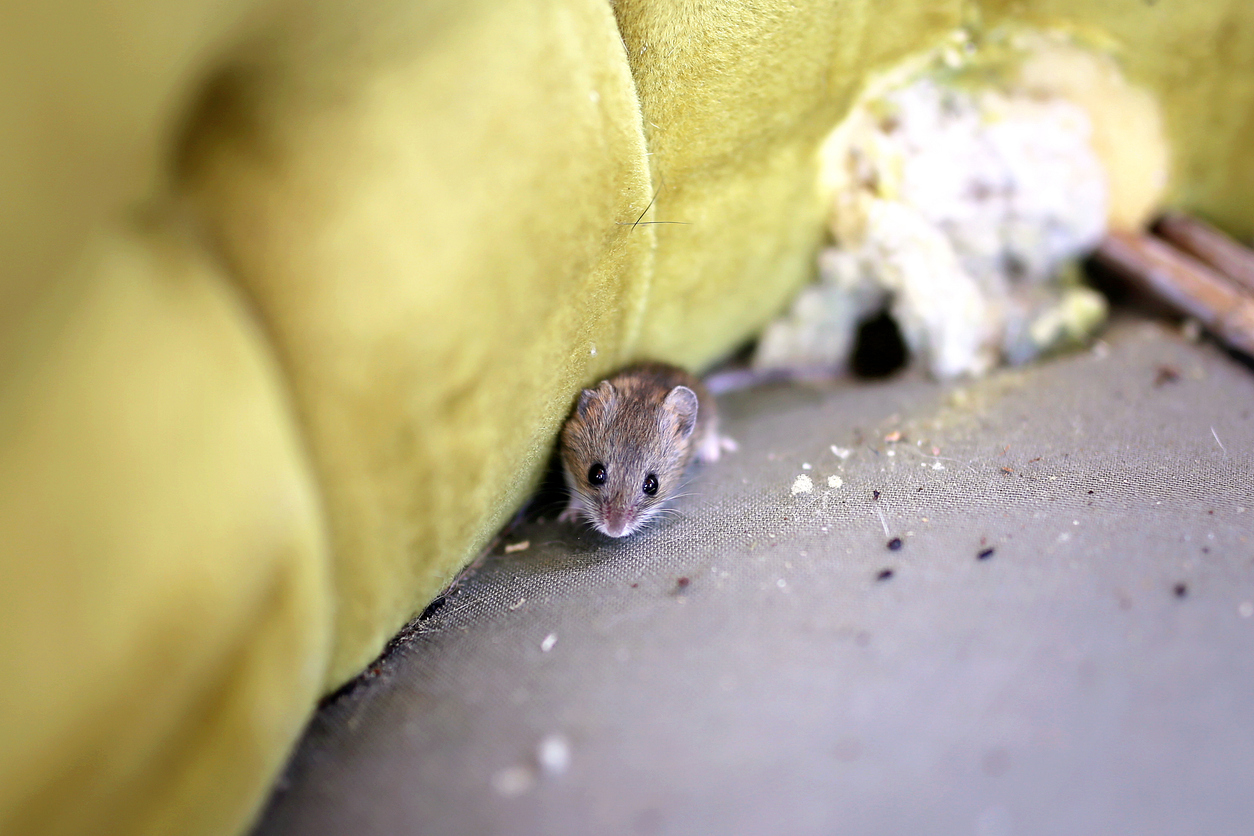
Rodents can enter through surprisingly small openings. Once inside, they often nest in walls, attics, crawl spaces, garages, and storage areas.
During inspection, we identified signs of rodent activity and possible access points. The issue was not only removing the rodents already inside, but also preventing new rodents from entering.
Common findings included:
Droppings in hidden areas
Gnaw marks near storage materials
Scratching sounds in walls or ceilings
Small entry gaps around exterior areas
Nesting material in protected spaces
Rodents can cause damage to insulation, wiring, stored items, and food areas. They can also create sanitation concerns if activity continues.
The Process
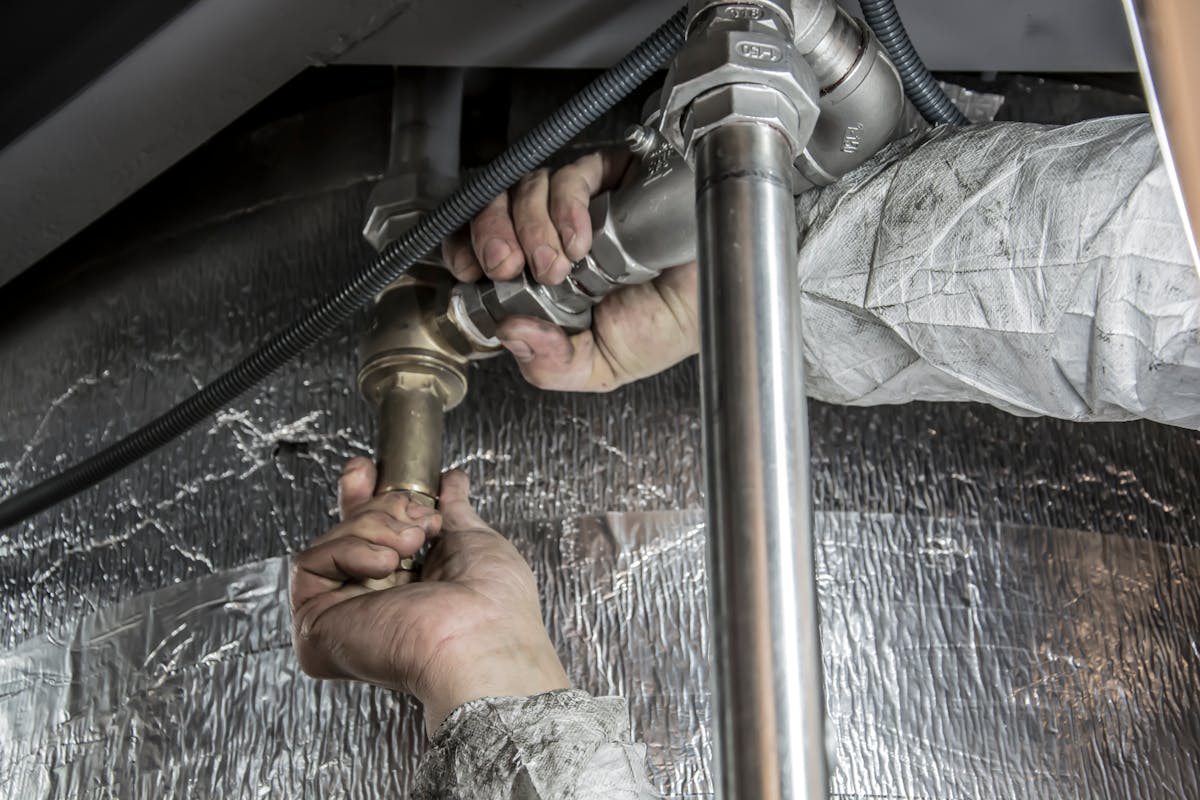
Rodent control requires a structured approach. Removing rodents without addressing entry points often leads to recurring activity.
Step 1 — Inspection & Entry Point Identification
We inspected the interior and exterior of the property to locate signs of activity, nesting areas, and possible access points.
Step 2 — Targeted Control
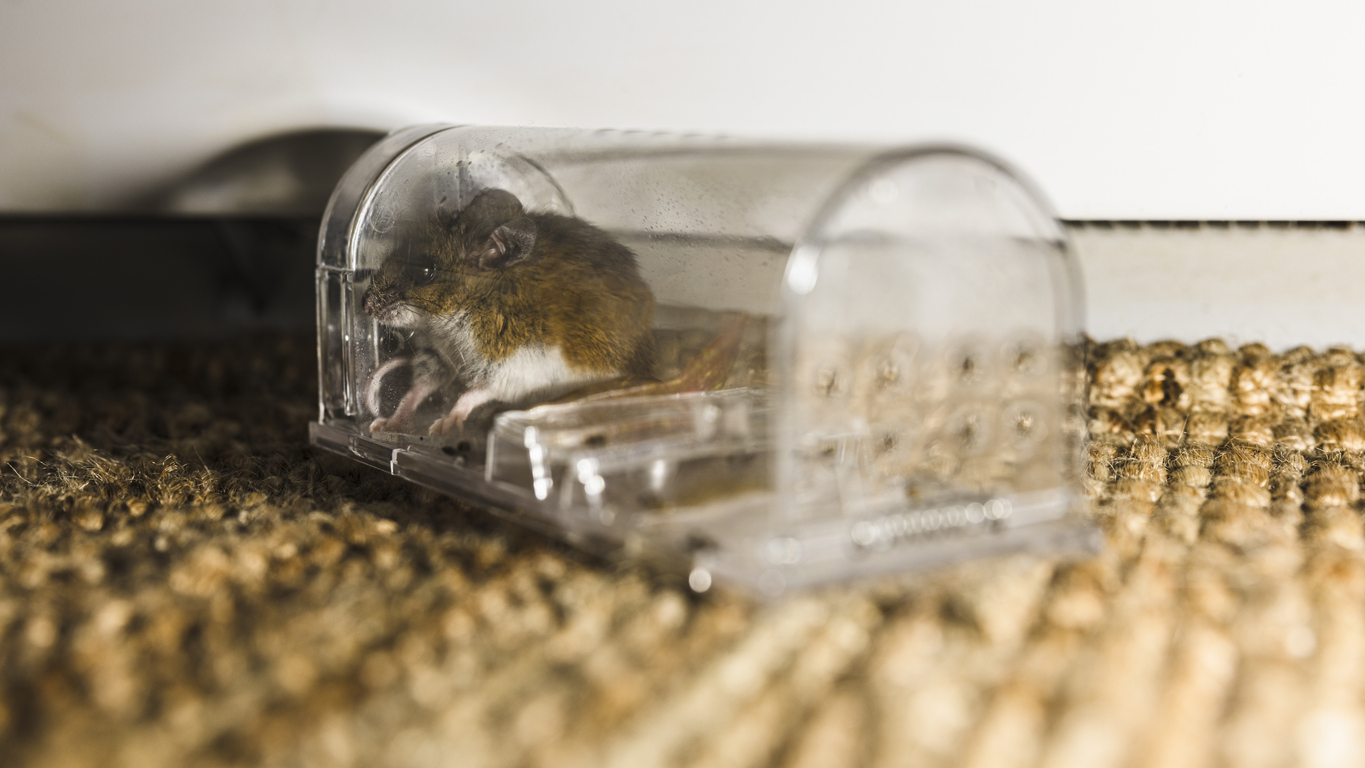
Control measures were placed in areas where rodents were active. This helped reduce activity while focusing on the zones rodents were using most.
Step 3 — Exclusion & Prevention
We identified vulnerable openings and provided recommendations for sealing entry points. Exclusion is one of the most important parts of long-term rodent control.
The Outcome
After service, activity began to decrease. Follow-up recommendations helped the property owner understand how rodents entered and what needed to be addressed to reduce future risk.
The biggest difference was peace of mind. The property owner no longer had to wonder what was moving inside the walls.
The issue was controlled by addressing both the current activity and the source of entry.

Prevention Tips
To reduce rodent risk:
Seal gaps around foundations, vents, pipes, and doors
Store food in sealed containers
Keep garages and storage areas organized
Avoid leaving pet food out overnight
Trim vegetation away from structures
Check for droppings or gnaw marks regularly
Rodent prevention depends on controlling access, food, and shelter.
"It's brighter than before!"
— Megan
Professional Insight
Rodent problems often start small, but they can escalate quickly.
Small Gaps Matter
Rodents can enter through openings that are easy to overlook.
Noises Are Often an Early Warning
Scratching sounds at night may indicate movement inside walls, ceilings, or attic spaces.
Exclusion Is Essential
Without sealing entry points, new rodents can continue entering the property.
Early Action Prevents Damage
The sooner rodent activity is addressed, the easier it is to prevent structural and sanitation issues.
Closing Thoughts
This job showed how important it is to take early signs seriously. A few noises or droppings may seem minor, but they often point to a larger issue developing.
Rodent control works best when it combines inspection, treatment, and prevention.
No scratching. No entry points. Just reliable protection.
– PestMaster

Services
Address
4134 Goodnight Trail, San Angelo, TX
Contact Us
Call: (325) 308-6144