
Hamilton & Southern Ontario
Bee Removal Services
Safe, effective bee removal designed to manage active nesting and support long-term protection around your property.
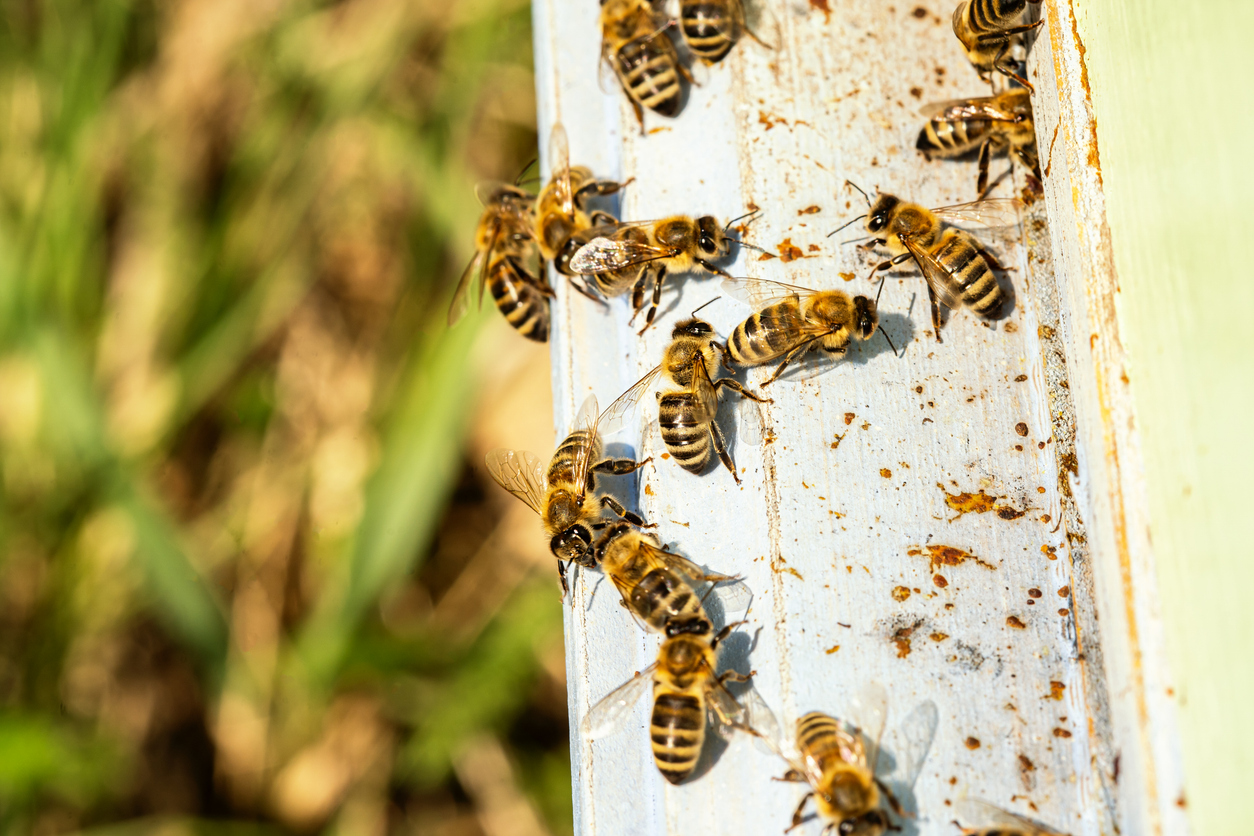
LOCAL SPECIALISTS IN SAFE & RELIABLE BEE REMOVAL
Trusted Bee Removal Services for Homes & Businesses
Understanding Where Bees Nest and Gather
Bees often build nests in wall cavities, roof spaces, trees, and sheltered outdoor areas. While they play an important role in the environment, nesting too close to homes can create safety concerns, especially in high-traffic areas.Thorough Inspection You Can Rely On
At Petty Pest Control, we inspect structures, outdoor areas, and entry points to locate active nests and determine bee activity levels. This helps us assess the situation and identify the safest way to manage the problem.
SMART SOLUTIONS BASED ON LOCAL EXPERIENCE
Bee Removal Designed for Long-Term Protection
Effective Removal Focused on the Source
Bee removal requires careful handling to address active nests while minimizing disruption. We focus on managing the nesting site directly to reduce activity and improve safety around the property.Helping Reduce Future Bee Activity
We also identify areas where bees are likely to return, such as sheltered cavities and accessible entry points. This helps lower the chance of future nesting and supports long-term protection.
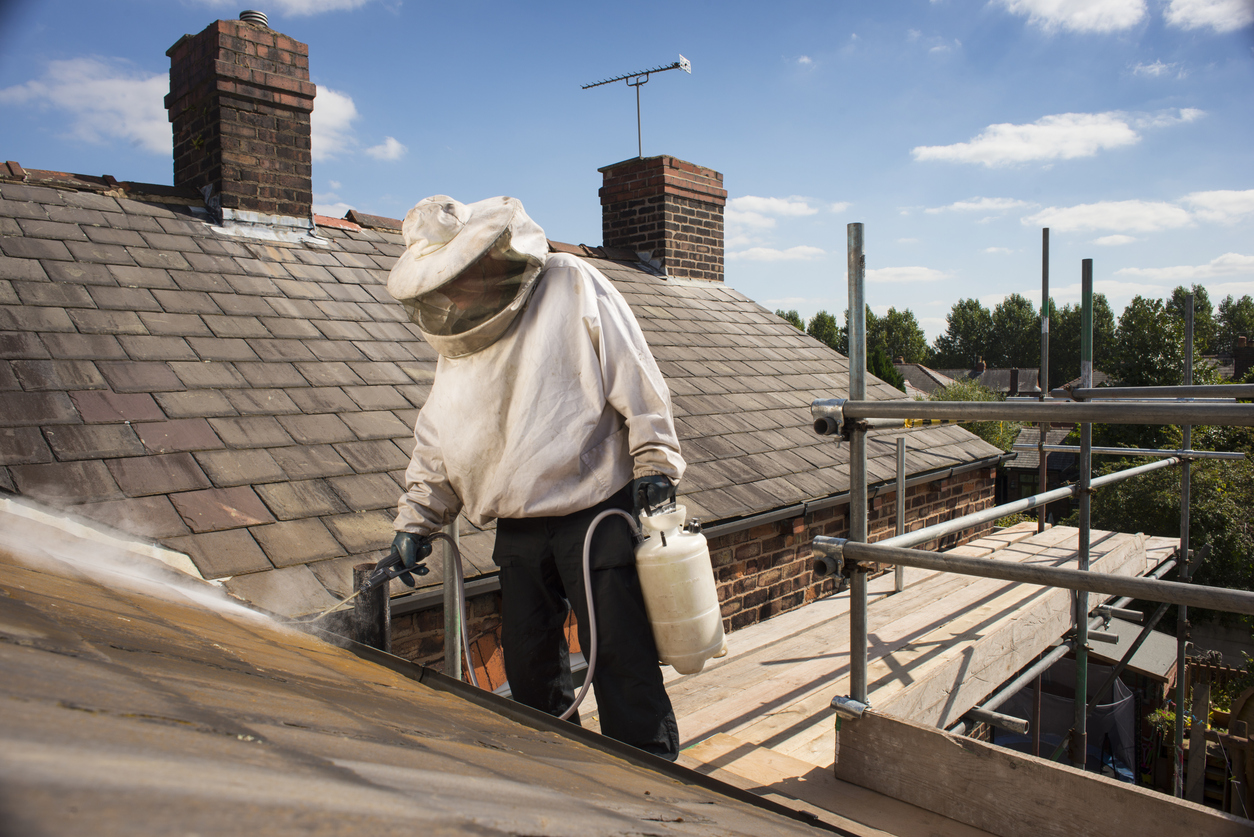
PROVEN APPROACH TO EFFECTIVE BEE REMOVAL
Petty Pest Control’s Four-Step Proven Process for Safe, Effective & Long-Term Bee Removal
Thorough Bee Inspection
Identifying Activity, Entry Points & Root Causes
We inspect wall cavities, rooflines, trees, and outdoor structures where bees commonly nest. This includes identifying nest locations, entry points, and activity levels. By assessing these areas, we can determine the safest and most effective removal approach.
Tailored Bee Removal Strategy
A Tailored Plan Based on Inspection Findings
Based on what we identify, we develop a removal plan around nest location, size, and surrounding conditions. This allows us to manage bee activity safely while reducing risk to occupants. The strategy is designed to address the problem while considering proper handling.
Precision Treatment & Application
Applied Carefully — Safe, Effective & Thorough
Removal measures are applied carefully to manage active nesting areas using safe and controlled methods. We focus on minimizing disruption while ensuring the situation is handled effectively. Each step is carried out with attention to safety and proper technique.
Long-Term Prevention & Support
Supporting Long-Term Protection and Prevention
We provide guidance on sealing entry points and reducing access to common nesting areas. These steps help prevent future nesting and improve safety around the property. Long-term prevention helps reduce recurring bee activity.
Professional, reliable, & eco-conscious
5.0 rating on Google
Bee FAQs
1. Why are bees nesting near my home?
Bees are attracted to sheltered spaces and areas that provide protection from weather. Wall cavities, roofs, and trees are common nesting spots.
2. Are bees dangerous?
Bees are generally not aggressive but can sting if threatened, especially near their nest. This can be a concern for people with allergies.
3. Can I remove a bee nest myself?
Handling bee nests can be risky without proper equipment and experience. Professional removal is recommended for safety.
4. Where do bees usually build nests?
Bees commonly nest in wall cavities, attics, trees, and sheltered outdoor structures.
5. Is professional bee removal necessary?
Yes, proper handling ensures the situation is managed safely and effectively, reducing risk to people and property.
6. Will bee removal eliminate all bees?
The goal is to manage the active nesting site and reduce activity. Some bees may still be present in the surrounding environment.
7. How long does bee removal take?
The timeline depends on the location and size of the nest. Some cases may require additional steps for full resolution.
8. Can bees return after removal?
Yes, if nesting areas remain accessible. Prevention helps reduce the chances of bees returning.
9. What attracts bees to a property?
Bees are attracted to flowers, sheltered spaces, and areas suitable for nesting.
10. How can I prevent bees from nesting again?
Sealing entry points and reducing access to sheltered areas can help prevent future nesting.

Address
194 Braithwaite Ave, Hamilton, ON L9G 5A3, Canada
Contact Us
Call: 778-601-3577

For a Faster Quote
Call : 778-601-3577