
Hamilton & Southern Ontario
Carpenter Ant Control Services
Safe, effective carpenter ant control designed to eliminate active infestations and protect your property long-term.
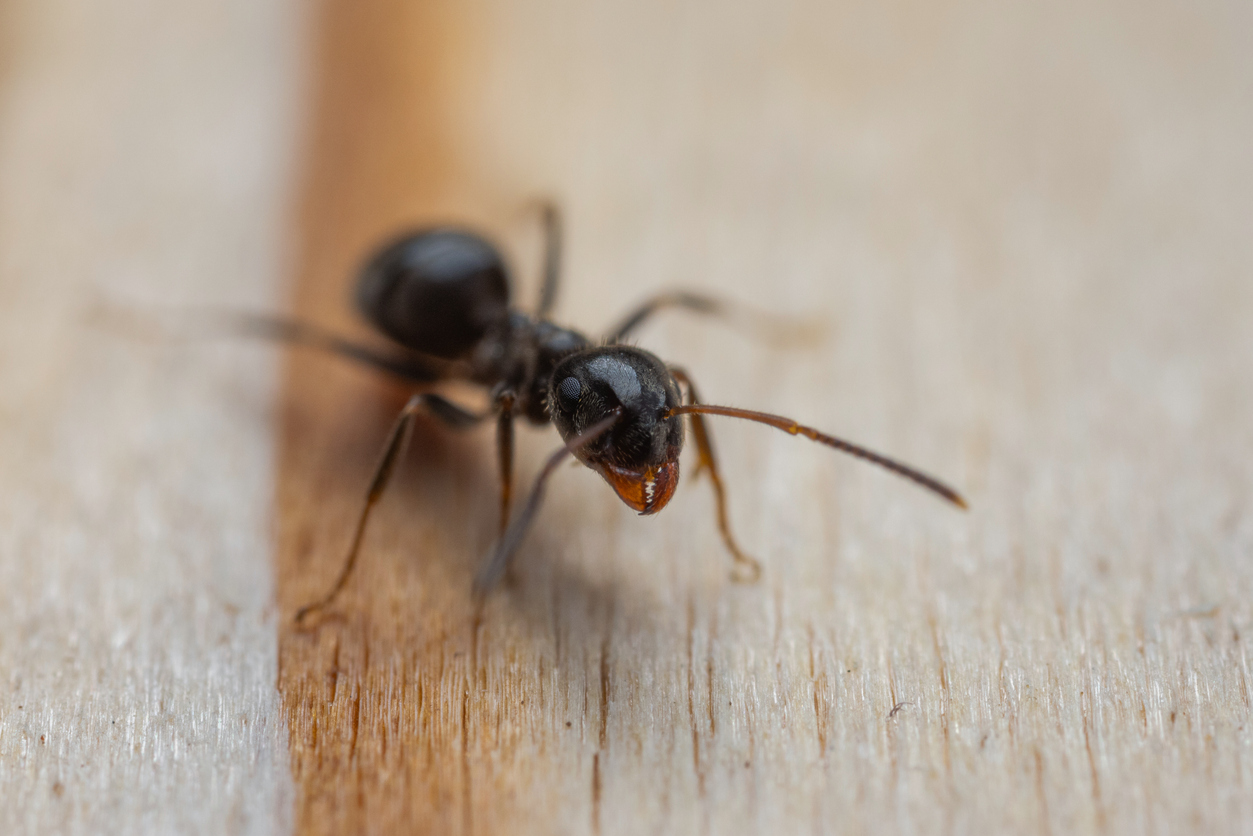
LOCAL SPECIALISTS IN SAFE & RELIABLE CARPENTER ANT CONTROL
Trusted Carpenter Ant Control Services for Homes & Businesses
Understanding How Carpenter Ant Activity Develops
Carpenter ants are commonly found in damp or damaged wood where they tunnel to create nesting galleries. Unlike termites, they do not eat wood but can still cause structural damage over time as they expand their colonies.Thorough Inspection You Can Rely On
At Petty Pest Control, we inspect wood structures, wall voids, and moisture-prone areas where carpenter ants are likely to nest. This helps us locate active colonies and identify the conditions allowing the infestation to grow.
SMART SOLUTIONS BASED ON LOCAL EXPERIENCE
Carpenter Ant Control Designed for Long-Term Protection
Effective Control Focused on the Source
Carpenter ant control requires identifying and targeting the main colony, not just visible activity. We focus on eliminating nesting sites while addressing how ants are entering and spreading through the structure.Helping Reduce Future Carpenter Ant Activity
We also address moisture issues and structural conditions that attract carpenter ants. This helps reduce the risk of reinfestation and supports long-term protection for your property.
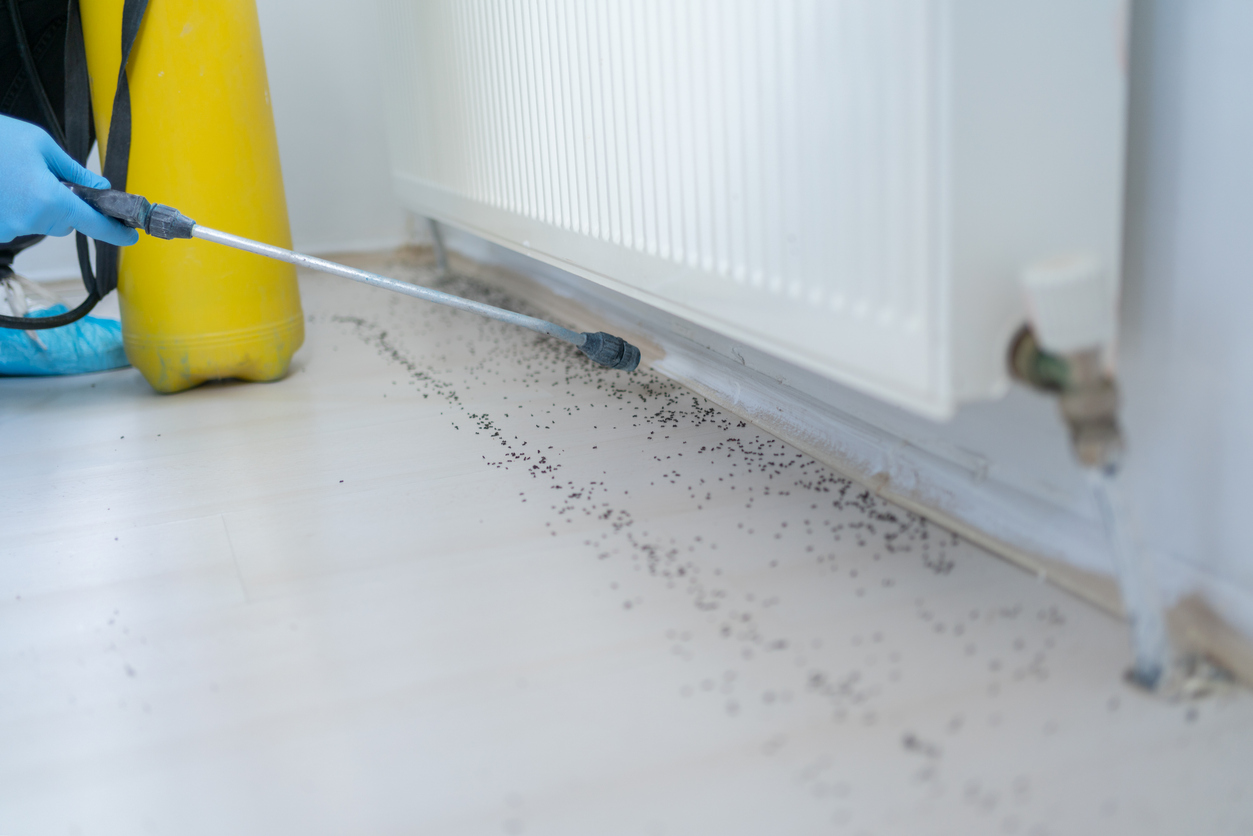
PROVEN APPROACH TO EFFECTIVE cARPENTER ANT CONTROL
Petty Pest Control’s Four-Step Proven Process for Safe, Effective & Long-Term Carpenter Ant Control
Thorough Carpenter Ant Inspection
Identifying Activity, Entry Points & Root Causes
We inspect interior and exterior areas, focusing on damp wood, wall voids, and structural elements where carpenter ants commonly nest. This includes identifying signs such as sawdust-like debris and activity patterns. By assessing these areas, we can locate the colony and understand how the infestation is developing.
Tailored Carpenter Ant Control Strategy
A Tailored Plan Based on Inspection Findings
Based on what we identify, we develop a control plan around nesting sites, entry points, and property layout. This allows us to target the main colony and areas of activity. The strategy is designed to eliminate the infestation while reducing further spread.
Precision Treatment & Application
Applied Carefully — Safe, Effective & Thorough
Treatments are applied to key nesting and activity areas using safe and controlled methods. We focus on reaching hidden colonies within wood structures and wall voids. Each application is carried out carefully to improve effectiveness and coverage.
Long-Term Prevention & Support
Supporting Long-Term Protection and Prevention
We provide guidance on reducing moisture, repairing damaged wood, and sealing entry points. These steps help prevent future infestations and protect structural areas. Long-term prevention is essential for keeping carpenter ants from returning.
Professional, reliable, & eco-conscious
5.0 rating on Google
Carpenter Ant FAQs
1. What are carpenter ants?
Carpenter ants are large ants that tunnel through wood to create nests. They do not eat wood but can still cause damage as their colonies grow.
2. How do carpenter ants get into homes?
They enter through cracks, gaps, and areas with moisture-damaged wood. They may also travel from outdoor nests into indoor spaces.
3. Do carpenter ants cause structural damage?
Yes, over time their tunnelling can weaken wood structures, especially if left untreated.
4. Where do carpenter ants usually nest?
They prefer damp or decaying wood, often found in walls, ceilings, window frames, and outdoor structures.
5. Is professional carpenter ant control necessary?
Yes, locating and eliminating the main colony requires proper inspection and treatment to prevent the infestation from spreading.
6. How long does carpenter ant control take?
The timeline depends on the size and location of the colony. Some infestations require follow-up treatment.
7. Can carpenter ants return after treatment?
Yes, if moisture issues and entry points are not addressed. Prevention is important for long-term control.
8. What are signs of carpenter ant activity?
Common signs include large ants, rustling sounds in walls, and sawdust-like debris near wooden structures.
9. How can I prevent carpenter ants?
Reducing moisture, fixing leaks, and repairing damaged wood can help make your property less attractive to carpenter ants.
10. Are carpenter ants different from termites?
Yes, carpenter ants tunnel through wood but do not consume it, while termites eat wood as a food source.
Address
194 Braithwaite Ave, Hamilton, ON L9G 5A3, Canada
Contact Us
Call: 778-601-3577

For a Faster Quote
Call : 778-601-3577