
Hamilton & Southern Ontario
Wasp Nest Removal Services
Safe, effective wasp nest removal designed to eliminate active nests and support long-term protection around your property.
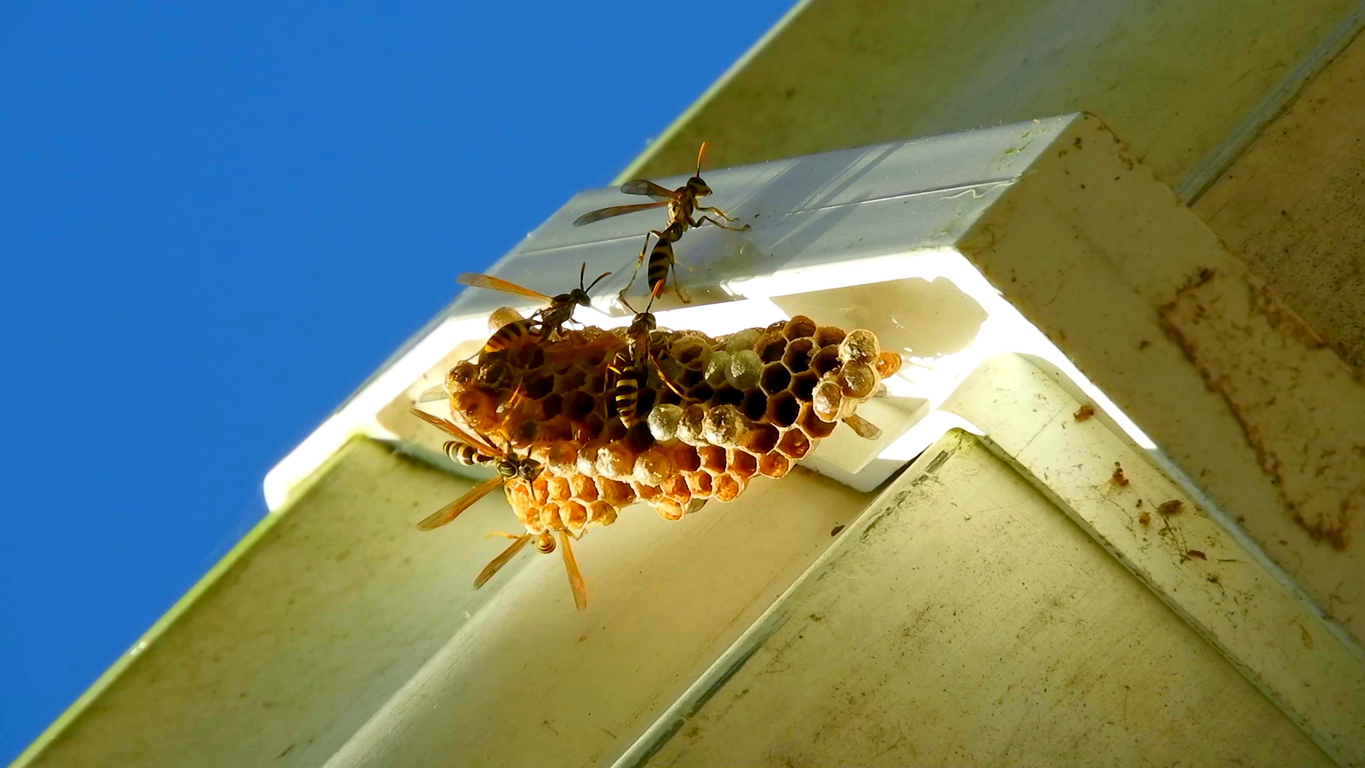
LOCAL SPECIALISTS IN SAFE & RELIABLE WASP NEST REMOVAL
Trusted Wasp Nest Removal Services for Homes & Businesses
Understanding Where Wasps Build Nests
Wasps commonly build nests in sheltered areas such as roof eaves, wall cavities, attics, and outdoor structures. As nests grow, wasp activity increases, and they can become more aggressive when disturbed.Thorough Inspection You Can Rely On
At Petty Pest Control, we inspect rooflines, wall voids, and outdoor areas to locate nests and identify entry points. This helps us assess the size, activity level, and risk associated with the infestation.
SMART SOLUTIONS BASED ON LOCAL EXPERIENCE
Wasp Nest Removal Designed for Long-Term Protection
Effective Removal Focused on the Source
Wasp nest removal requires directly addressing the nest rather than just reducing visible activity. We focus on safely treating and removing active nests while minimizing disruption to the surrounding area.Helping Reduce Future Wasp Activity
We also identify and address conditions that allow wasps to return, such as accessible nesting areas and entry points. This helps lower the risk of future nest formation and improves long-term protection.
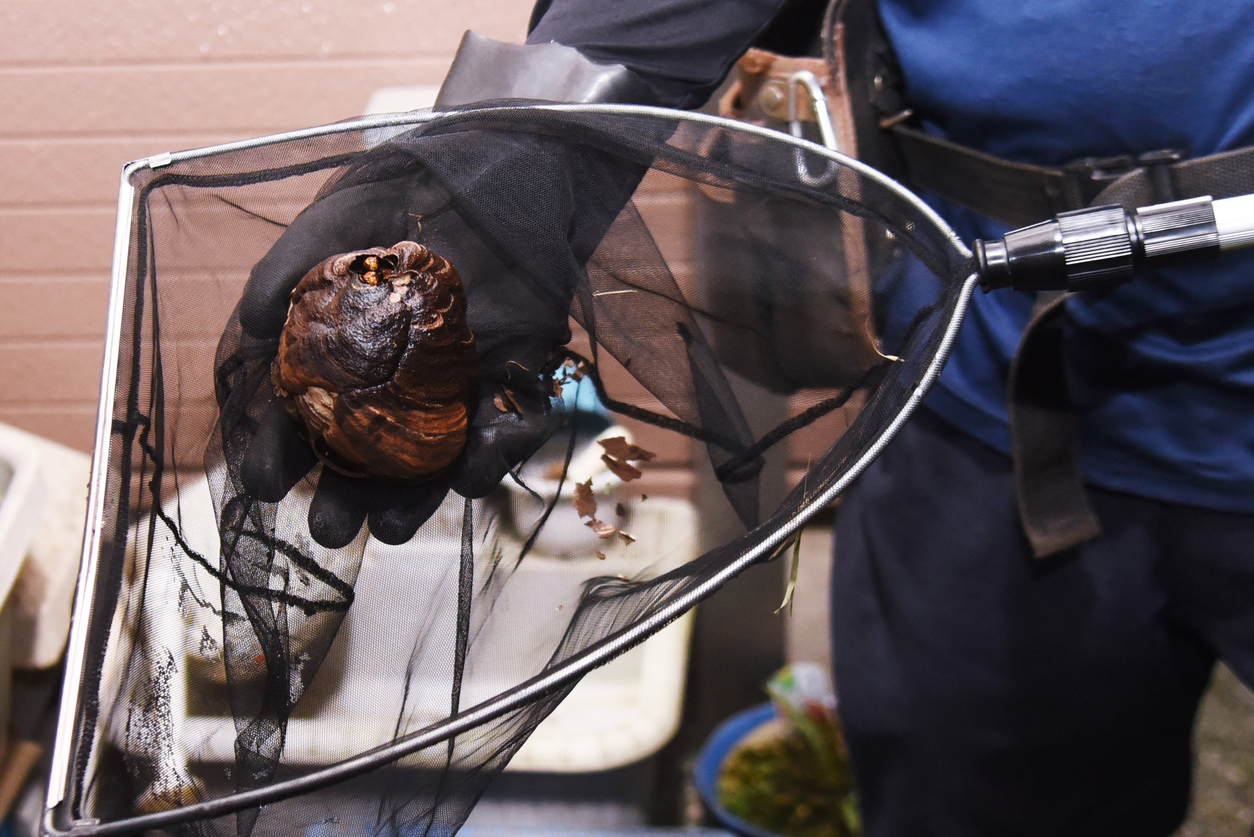
PROVEN APPROACH TO EFFECTIVE WASP NEST REMOVAL
Petty Pest Control’s Four-Step Proven Process for Safe, Effective & Long-Term Wasp Nest Removal
Thorough Wasp Inspection
Identifying Activity, Entry Points & Root Causes
We inspect rooflines, wall cavities, attics, and outdoor structures where wasps commonly build nests. This includes identifying nest locations, entry points, and activity levels. By assessing these areas, we can determine the safest and most effective removal approach.
Tailored Wasp Nest Removal Strategy
A Tailored Plan Based on Inspection Findings
Based on what we identify, we develop a removal plan around nest location, size, and surrounding conditions. This allows us to safely manage wasp activity and reduce risk during treatment. The strategy is designed to remove the nest effectively while minimizing disruption.
Precision Treatment & Application
Applied Carefully — Safe, Effective & Thorough
Treatments are applied directly to active nests using safe and controlled methods. We focus on ensuring the nest is properly treated to reduce wasp activity quickly. Each application is carried out carefully to ensure safety and effectiveness.
Long-Term Prevention & Support
Supporting Long-Term Protection and Prevention
We provide guidance on reducing attractants and limiting access to common nesting areas. This includes addressing structural gaps and sheltered spaces where wasps may return. These steps help reduce the likelihood of future nest activity.
Professional, reliable, & eco-conscious
5.0 rating on Google
Wasps FAQs
1. Where do wasps usually build nests?
Wasps commonly build nests in roof eaves, attics, wall cavities, trees, and outdoor structures like sheds and decks.
2. Are wasps dangerous?
Wasps can be aggressive, especially when their nest is disturbed. Their stings can be painful and may cause allergic reactions in some individuals.
3. Can I remove a wasp nest myself?
Removing a wasp nest can be dangerous without proper equipment and experience. Professional removal is recommended for safety.
4. How quickly do wasp nests grow?
Wasp nests can grow rapidly during warmer months as the colony expands, increasing activity around the property.
5. Is professional wasp nest removal necessary?
Yes, professional removal ensures the nest is treated safely and effectively, reducing the risk of stings and incomplete removal.
6. Will removing the nest solve the problem?
Removing the active nest eliminates the immediate issue, but prevention is important to reduce future nesting.
7. Can wasps return after removal?
Yes, wasps may return if suitable nesting areas are available. Preventative steps help reduce this risk.
8. How long does wasp nest removal take?
Most removals can be completed quickly, depending on nest size and location.
9. What attracts wasps to a property?
Wasps are attracted to food sources, sugary substances, and sheltered nesting areas.
10. How can I prevent wasps from coming back?
Sealing entry points, reducing attractants, and maintaining outdoor areas can help prevent future nests.
Address
194 Braithwaite Ave, Hamilton, ON L9G 5A3, Canada
Contact Us
Call: 778-601-3577

For a Faster Quote
Call : 778-601-3577