
Hamilton & Southern Ontario
Spider Control Services
Safe, effective spider control designed to reduce active populations and support long-term protection for your home or business.
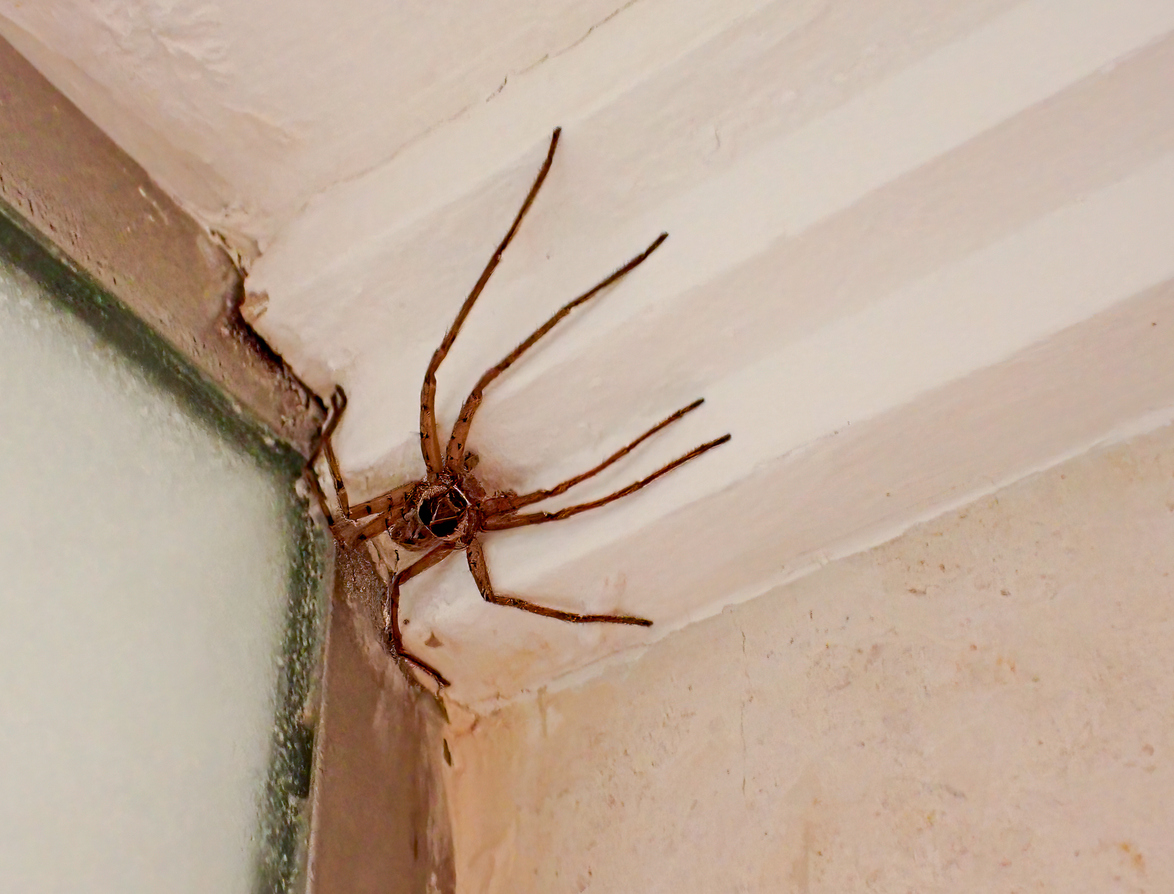
LOCAL SPECIALISTS IN SAFE & RELIABLE SPIDER CONTROL
Trusted Spider Control Services for Homes & Businesses
Understanding Where Spiders Commonly Settle
Spiders are often found in quiet, undisturbed areas such as basements, corners, ceilings, and outdoor structures. They tend to settle where insects are present, using webs to capture prey and remain hidden.Thorough Inspection You Can Rely On
At Petty Pest Control, we inspect interior and exterior areas where spiders are likely to nest, including wall corners, storage spaces, and entry points. This helps us identify where activity is concentrated and what conditions are attracting them.
SMART SOLUTIONS BASED ON LOCAL EXPERIENCE
Spider Control Designed for Long-Term Protection
Effective Control Focused on the Source
Spider control involves reducing both spider activity and the conditions that attract them. We focus on areas where spiders settle and where insect activity supports their presence.Helping Reduce Future Spider Activity
We also address entry points and environmental factors that allow spiders to return. This helps lower future activity and supports a cleaner, more controlled indoor and outdoor environment.
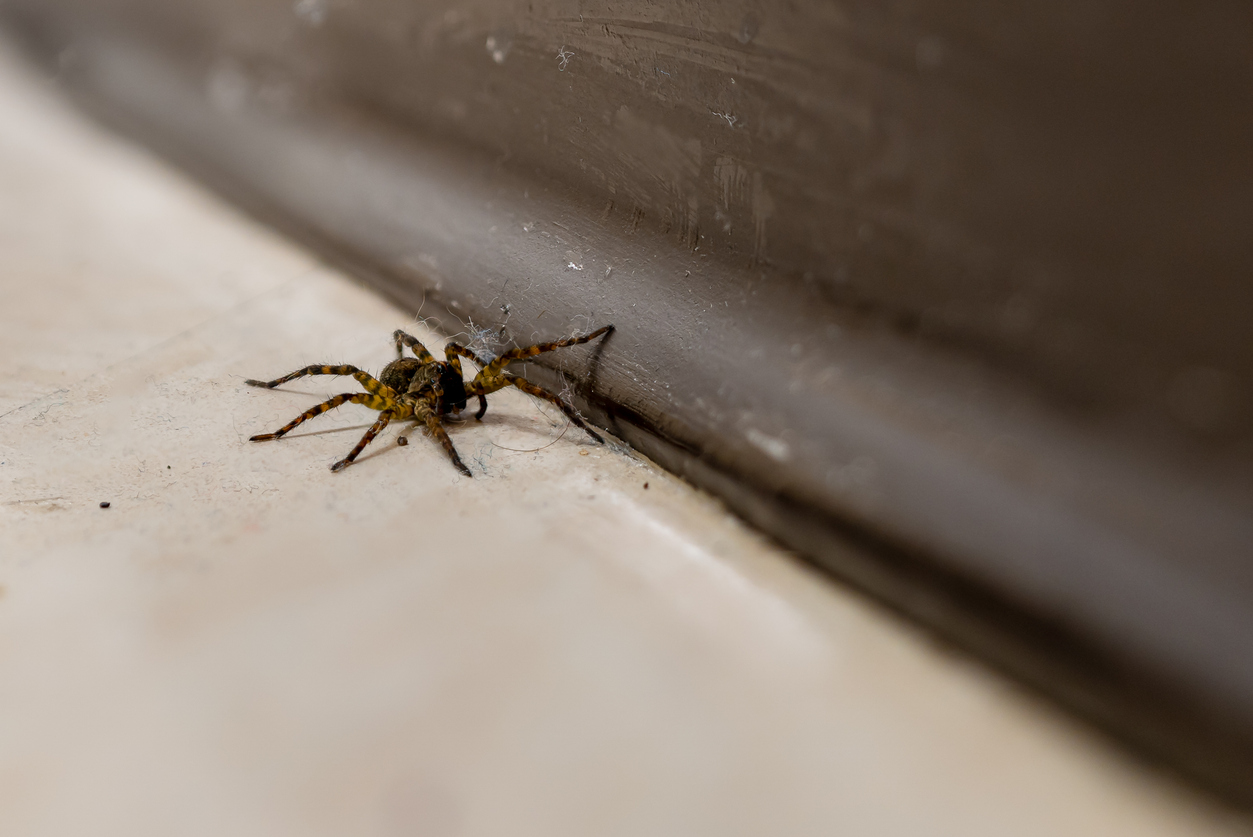
PROVEN APPROACH TO EFFECTIVE spider CONTROL
Petty Pest Control’s Four-Step Proven Process for Safe, Effective & Long-Term Spider Control
Thorough Spider Inspection
Identifying Activity, Entry Points & Root Causes
We inspect interior and exterior areas such as basements, corners, ceilings, and outdoor structures where spiders commonly settle. This includes identifying webs, hiding spots, and areas with high insect activity. By assessing these conditions, we can determine where spiders are most active and why they are present.
Tailored Spider Control Strategy
A Tailored Plan Based on Inspection Findings
Based on what we identify, we develop a control plan around nesting areas, entry points, and property layout. This allows us to focus on where spiders are most active and where they are likely to return. The strategy is designed to reduce current activity while improving long-term control.
Precision Treatment & Application
Applied Carefully — Safe, Effective & Thorough
Treatments are applied to key areas where spiders settle, including corners, entry points, and exterior zones. We use safe and controlled methods to ensure effective results while minimizing disruption. Each application is carried out with careful placement to improve overall coverage.
Long-Term Prevention & Support
Supporting Long-Term Protection and Prevention
We provide guidance on reducing entry points, limiting insect activity, and improving conditions that attract spiders. These steps help prevent future infestations and support ongoing control. Long-term prevention is key to maintaining a spider-free environment.
Professional, reliable, & eco-conscious
5.0 rating on Google
Spider FAQs
1. Why do I have spiders in my home?
Spiders are usually attracted to areas where insects are present, as they rely on them for food. Quiet, undisturbed spaces also make ideal nesting areas.
2. Are spiders dangerous?
Most spiders are harmless, but some species can bite if disturbed. Even non-dangerous spiders can be a nuisance when populations increase.
3. Where do spiders usually hide?
Spiders are commonly found in corners, basements, ceilings, storage areas, and outdoor structures like sheds and garages.
4. Do spiders come inside from outdoors?
Yes, spiders often enter homes through small gaps, doors, windows, and cracks in the structure.
5. Is professional spider control necessary?
Professional control helps reduce spider populations and address the conditions that attract them, improving long-term results.
6. Will spider control eliminate all spiders?
The goal is to significantly reduce spider activity and prevent recurrence. Some spiders may still appear occasionally.
7. How long does spider control last?
Results depend on conditions and activity levels, but treatments are designed to provide ongoing control with proper prevention.
8. Can spiders return after treatment?
Yes, if entry points and insect activity are not addressed. Prevention is important for long-term control.
9. What attracts spiders to a property?
Spiders are attracted to insect populations, cluttered spaces, and areas where they can remain undisturbed.
10. How can I prevent spiders from coming back?
Reducing clutter, sealing entry points, and controlling insect populations can help prevent spiders from returning.
Address
194 Braithwaite Ave, Hamilton, ON L9G 5A3, Canada
Contact Us
Call: 778-601-3577

For a Faster Quote
Call : 778-601-3577