

We're Here to Assist You
Bed Bug Activity Indoors: How It Starts & What We Found
Category: Holiday
Published: April 2026
By Petty Pest Control Team
What We Walked Into
Bed bug issues don’t usually start with something obvious. In many cases, it begins with small signs that are easy to overlook.
We were recently called to a home where the concern started with a few bites that didn’t seem consistent at first. The homeowner mentioned they had recently traveled and weren’t sure if it was related.
At first glance, everything looked normal. The home was clean, well-kept, and there were no clear signs of heavy pest activity.
But when we took a closer look around the bed area, things started to make more sense.
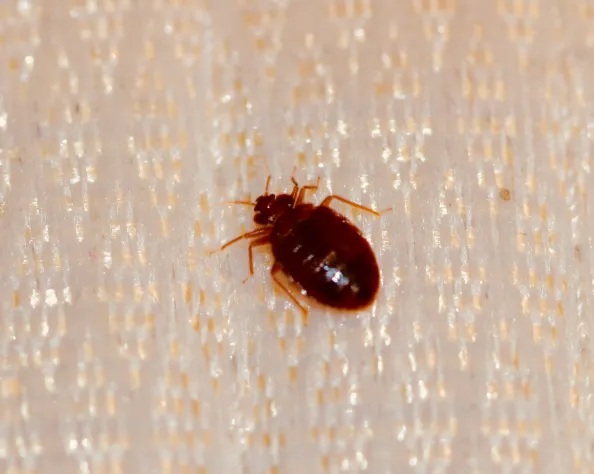
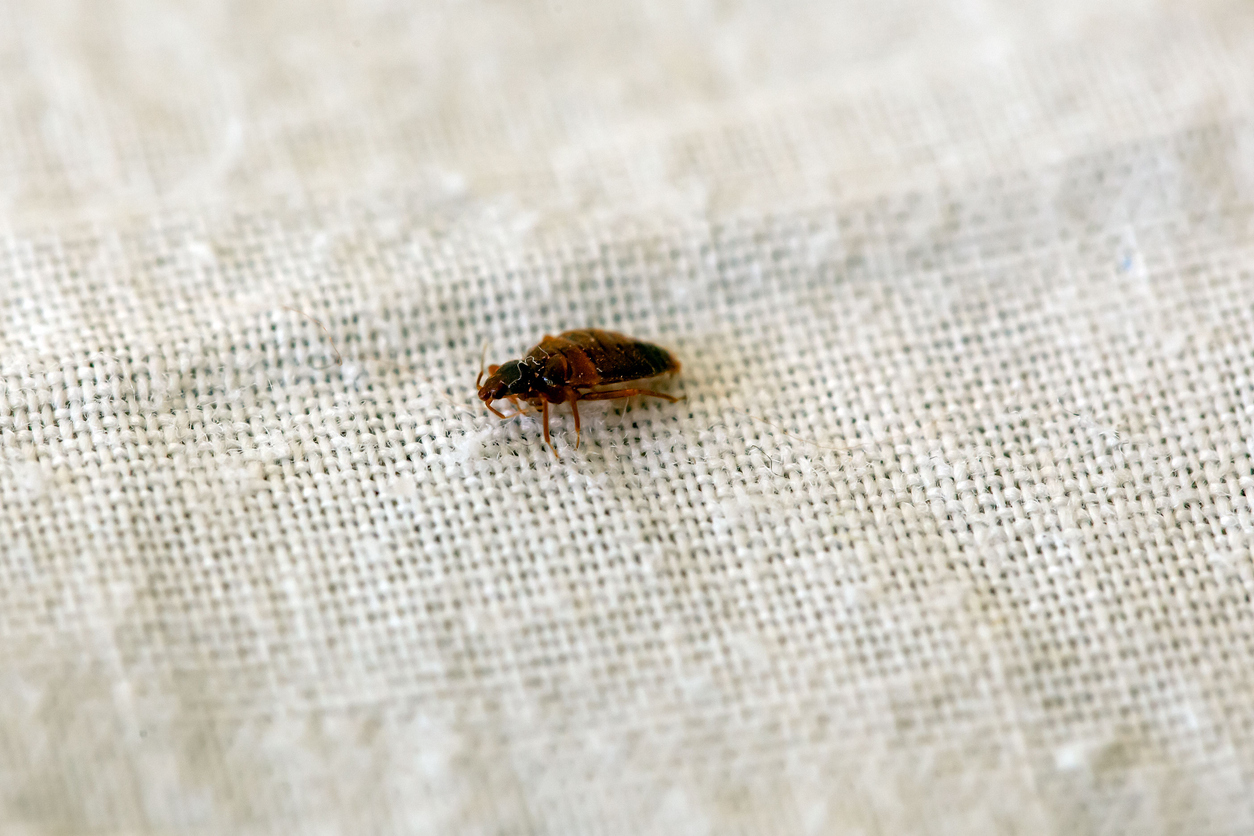
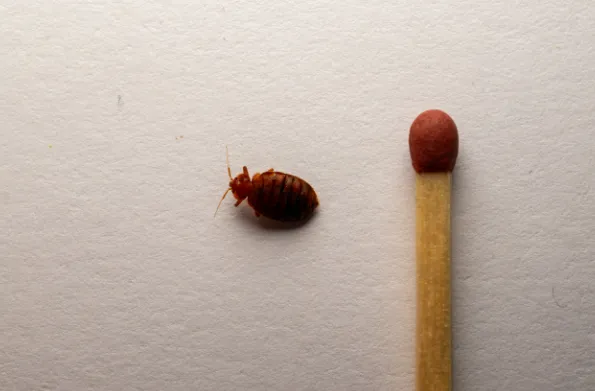
Along the seams of the mattress and around the bed frame, there were small signs of activity—nothing widespread yet, but enough to confirm the early stages of a bed bug issue.
This is how most situations begin. Subtle signs, easy to miss, but developing quietly in the background.

The Problem
Bed bugs don’t move around the home the way other pests do. They stay close to where people rest, making them harder to detect early.
Here’s what we found during inspection:
Early-Stage Activity Around the Bed Area
Small signs were present along mattress seams and the bed frame—common hiding spots.
Recent Introduction
Based on the pattern, the activity was likely introduced recently, possibly through travel or personal items.
Hidden Harborage Areas
Bed bugs were beginning to settle into tight spaces such as fabric seams and small crevices.
Limited but Growing Presence
The issue wasn’t widespread yet—but without proper treatment, it would have continued to spread.
The challenge with bed bugs is not visibility—it’s how easily they stay hidden.

The Process
Bed bug control requires a careful and thorough approach. It’s not about quick fixes—it’s about addressing all stages of activity.
Step 1: Detailed Inspection
We inspected:
Mattress seams and edges
Bed frames and headboards
Nearby furniture and baseboards
Cracks, joints, and fabric folds
The goal is to identify where activity is present and how far it has developed.
Step 2: Targeted Treatment
We applied treatment to:
Sleeping areas and surrounding zones
Known hiding spots
Adjacent areas where activity could spread
This ensures that both visible and hidden activity is addressed.
Step 3: Preparation & Prevention Guidance
We provided guidance on:
Reducing clutter around sleeping areas
Managing bedding and fabrics properly
Monitoring for any signs of continued activity
Preparation plays a key role in improving results and preventing further spread.

The Outcome
Because the issue was caught early, the results were controlled effectively.
Within a short period, there were no further signs of bites or activity. Follow-up checks confirmed that the situation had been resolved before it could spread to other areas of the home.
The homeowner mentioned the biggest difference wasn’t just the result—it was peace of mind.
That’s often the biggest impact with bed bug issues. Once resolved properly, the stress around it disappears.
"It's brighter than before!"
— Megan
Practical Prevention Tips
To help reduce the risk of bed bug activity:
Inspect After Travel
Check luggage and clothing before bringing them fully into the home.
Be Careful with Second-Hand Items
Furniture and mattresses can carry hidden activity.
Keep Sleeping Areas Organized
Reducing clutter limits places for bed bugs to hide.
Watch for Early Signs
Small bites, marks on bedding, or unusual spotting can be early indicators.
These steps don’t guarantee prevention—but they reduce risk significantly.
Practical Prevention Tips
Bed bugs are different from most pests because they stay hidden and close to human activity.
Here’s what we often see:
They Spread Slowly at First
Early stages are localized but can expand if not addressed.
They Hide Extremely Well
Small cracks, seams, and joints are enough.
DIY Methods Often Miss the Source
Incomplete treatment allows activity to continue.
Professional control focuses on thorough treatment and proper coverage—not just visible signs.

Closing Thoughts
Bed bug activity is something we’re seeing more often across Southern Ontario, especially with travel and movement between spaces.
This situation showed how early detection makes a major difference. What could have become a larger issue was handled before it spread.
If you’re noticing signs that don’t seem typical—especially around sleeping areas—it’s worth taking a closer look early.
Handle it early. Protect your space. Sleep with peace of mind.
— Petty Pest Control

Address
194 Braithwaite Ave, Hamilton, ON L9G 5A3, Canada
Contact Us
Call: 778-601-3577
© 2026 Petty Pest Control. All rights reserved.