

We're Here to Assist You
Indoor Spider Activity: What We Found & Why It Keeps Happening
Category: Holiday
Published: April 2026
By Petty Pest Control Team
What We Walked Into
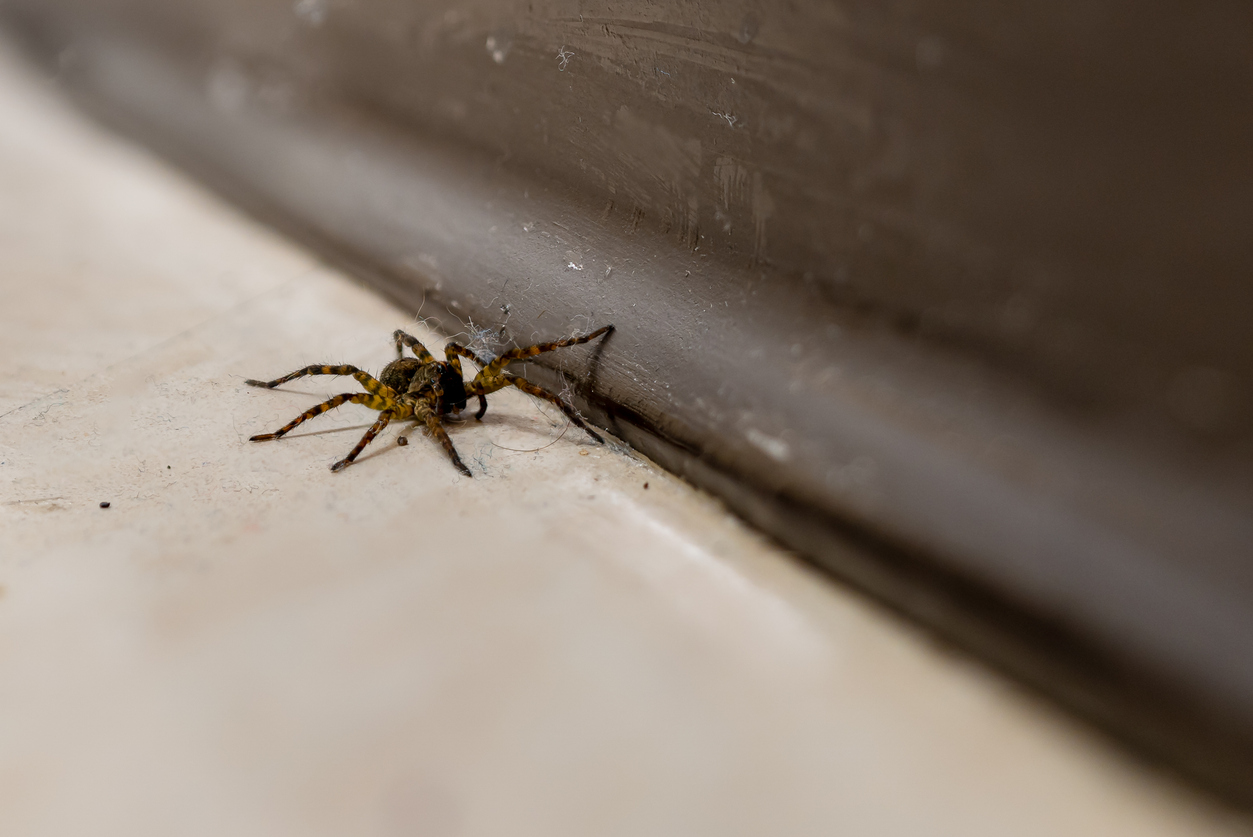
As spring begins across Hamilton & Southern Ontario, we start getting more calls about spiders showing up indoors. It usually happens after people open windows more often, move things around, or notice corners that haven’t been touched in a while.
Recently, we visited a home where the concern was simple—spiders appearing in multiple rooms.
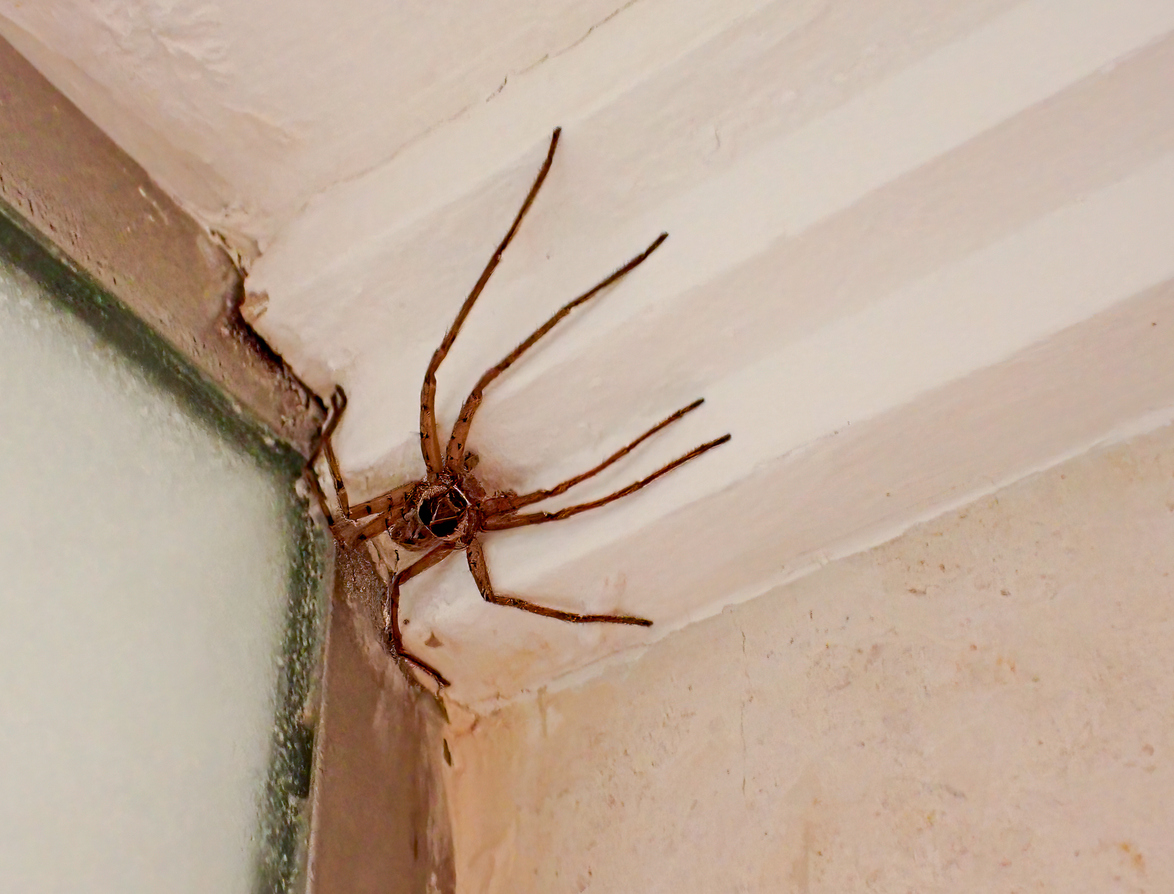
The homeowner mentioned they were seeing them regularly in corners, along ceiling edges, and near window frames. Nothing extreme, but enough to feel like it was happening too often.
When we arrived, the home was well-kept and clean. This wasn’t a hygiene issue. But it was clear right away why the activity was continuing.
There were webs forming in consistent spots—ceiling corners, behind doors, and along window edges. Even though they had been cleaning them, new ones kept appearing in the same areas.
This is a common situation. It’s not about one spider—it’s about conditions that allow them to keep returning.

The Problem
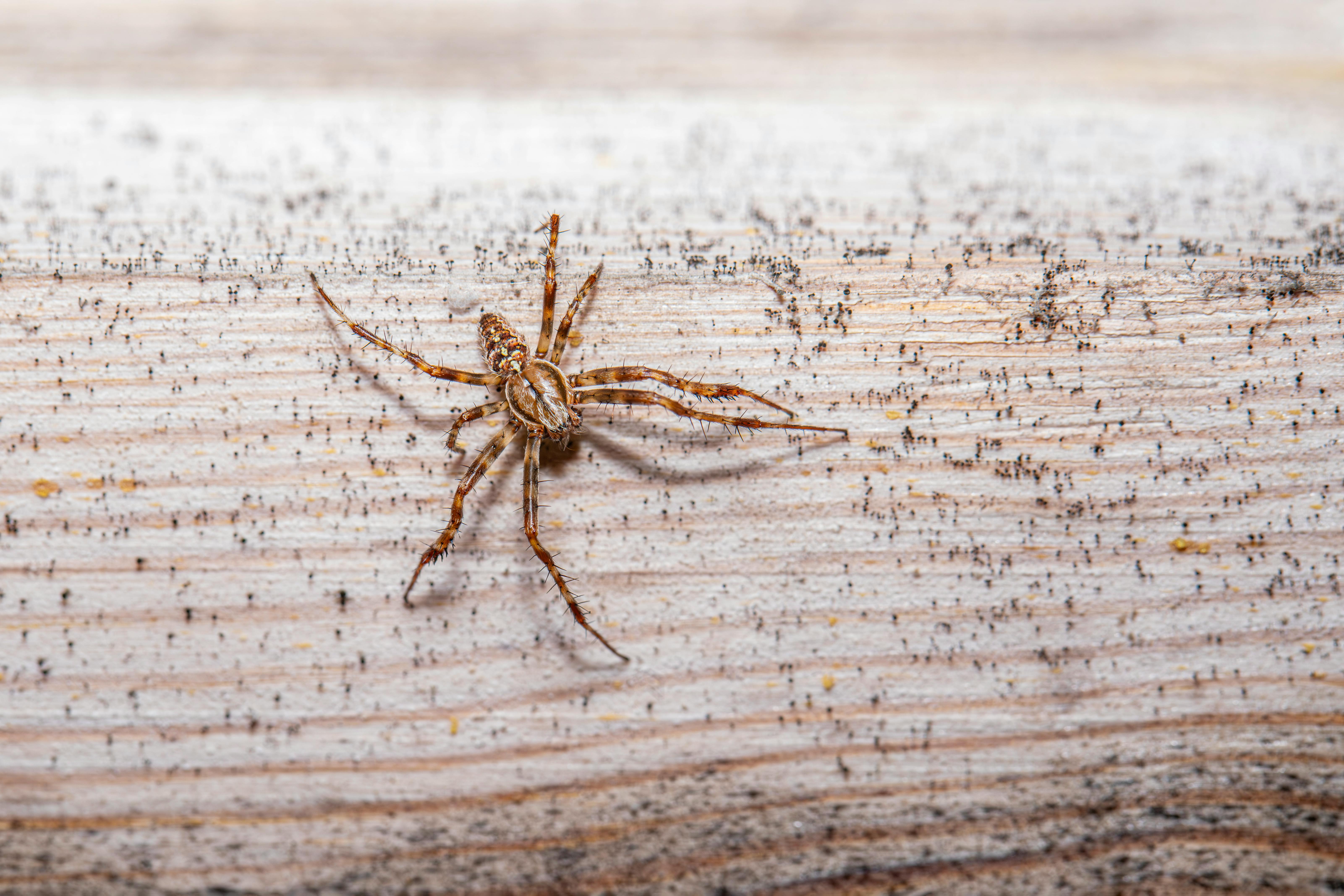
Spiders are common, especially in spring. But when activity keeps repeating, there’s usually a reason behind it.
Here’s what we found during inspection:
Multiple Entry Points Around Windows and Doors
Small gaps around frames and vents were enough to allow spiders to enter regularly.
Quiet Indoor Areas for Settling
Corners, storage areas, and spaces behind furniture provided ideal spots for webs to form undisturbed.
Presence of Other Insects
Small flying insects near windows and lighting were attracting spiders indoors. Where there’s food, spiders will follow.
Cleaning Without Addressing the Cause
Removing webs helps short-term, but it doesn’t stop new activity if the conditions stay the same.
This wasn’t a heavy infestation—it was ongoing, repeated activity supported by the environment.
The Process
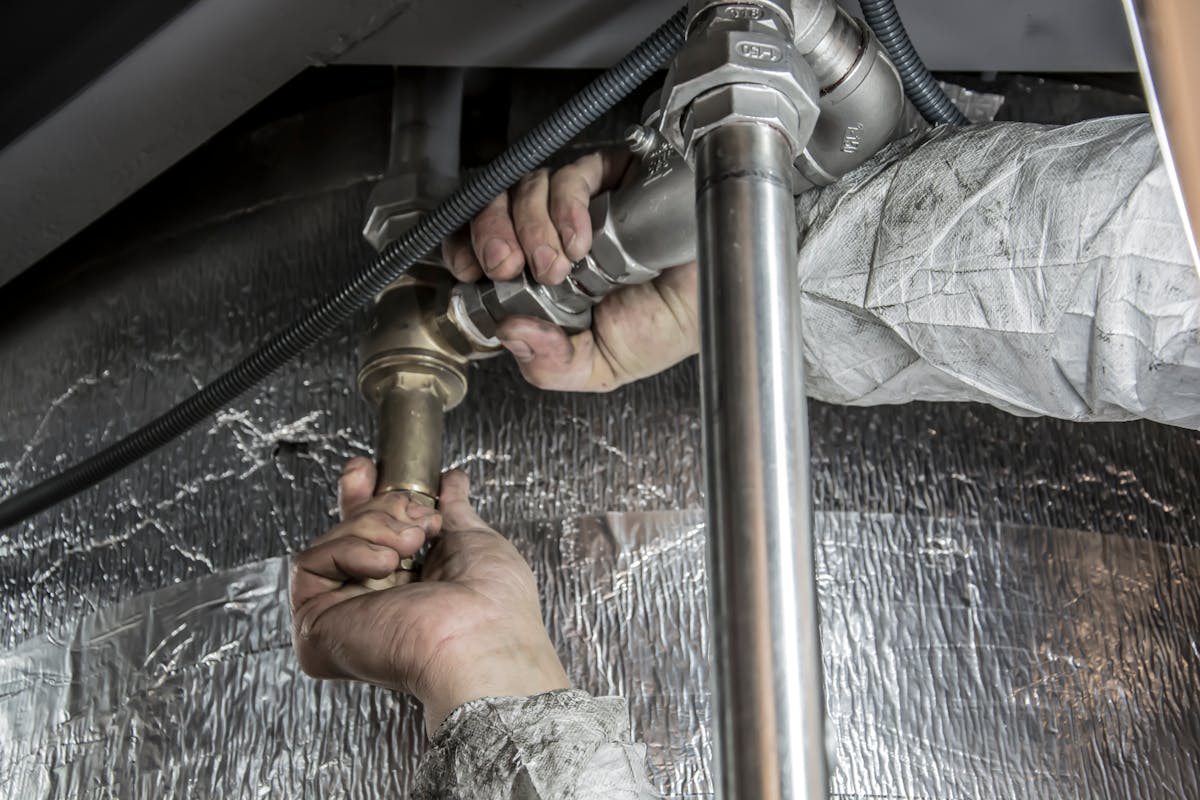
When dealing with spiders, the focus is not just removing what’s visible, but reducing the overall conditions that allow them to stay.
Step 1: Full Property Inspection
We checked:
Ceiling corners and edges
Behind doors and furniture
Window frames and vents
Exterior access points
The goal is to understand where spiders are entering and where they’re settling.
Step 2: Targeted Treatment
We applied treatment to key areas where spiders were active, including:
Window edges
Entry points
Common web-building areas
This helps reduce active spider presence while also targeting the insects they feed on.
Step 3: Prevention & Sealing Guidance
We recommended:
Sealing small gaps around windows and doors
Reducing insect activity near lights and windows
Keeping corners and edges regularly cleaned
Treatment reduces activity. Prevention helps keep it that way.
The Outcome
Within a few days, the repeated web buildup stopped.
The homeowner mentioned they were still checking corners out of habit, especially in the evenings—but there was nothing new forming.
After about a week, the difference was clear. No fresh webs, no consistent spider activity in the same areas.
More importantly, they stopped thinking about it.
The space felt normal again—no more scanning corners when walking into a room.

Practical Prevention Tips
To help reduce spider activity indoors:
Keep Corners and Edges Clean
Spiders prefer undisturbed areas. Regular cleaning helps prevent buildup.
Reduce Insect Activity Indoors
Limit lighting that attracts insects near windows, especially at night.
Seal Small Gaps
Check windows, doors, and vents for small openings.
Maintain Window Areas
Dust and debris can attract insects, which then attract spiders.
These small steps can make a noticeable difference over time.
"It's brighter than before!"
— Megan
Professional Insight
Spiders themselves are often not the main issue—they’re usually a sign of something else happening.
Here’s what we often see:
Hidden Entry Points
Small gaps around windows and vents allow repeated access.
Food Sources Indoors
Even a small number of insects is enough to sustain spider activity.
Undisturbed Spaces
Corners and storage areas give spiders a place to settle.
Cleaning webs helps temporarily, but without addressing these factors, activity returns.
Effective control focuses on both the spiders and the conditions supporting them.
Closing Thoughts
Spider activity indoors is something we regularly see across Hamilton & Southern Ontario, especially during seasonal changes.
This situation showed how repeated small activity can build into a noticeable issue—and how manageable it becomes when handled properly.
If you’re starting to notice webs forming in the same places, it’s worth looking at what’s allowing it to happen.
No more webs. Just a clean, comfortable space again.
— Petty Pest Control

Address
194 Braithwaite Ave, Hamilton, ON L9G 5A3, Canada
Contact Us
Call: 778-601-3577
© 2026 Petty Pest Control. All rights reserved.