
We're Here to Assist You
Ant Activity Indoors: What We Found & What Actually Solves It
Category: Holiday
Published: March, 2026
By Petty Pest Control Team
What We Walked Into
As temperatures start to rise across Hamilton & Southern Ontario, ant activity becomes more noticeable indoors. It usually begins with a few sightings—then quickly turns into consistent movement across floors, counters, or along baseboards.
Recently, we were called to a home where the issue had been building for several days. The homeowner mentioned seeing ants near the kitchen and along a patio door. At first, it seemed minor, but by the time we arrived, activity had increased significantly.
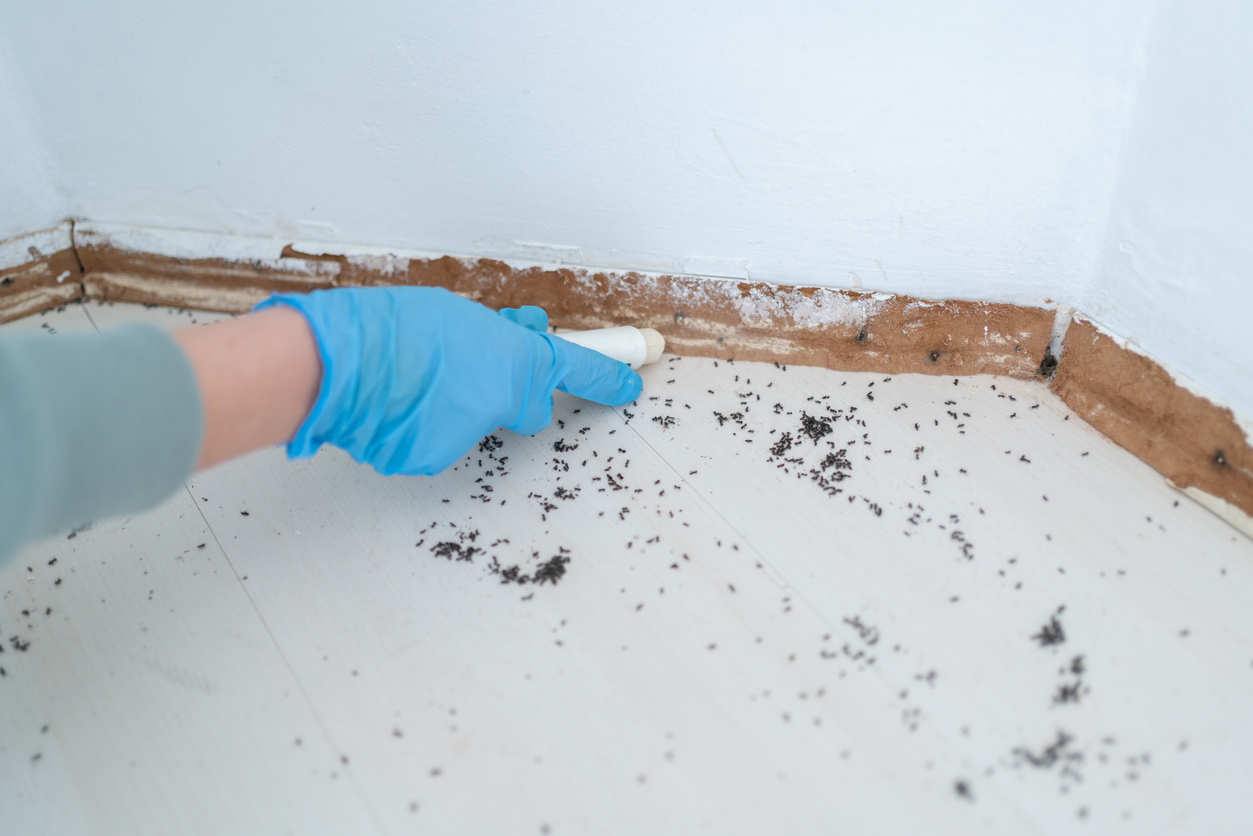
The home itself was clean. No visible food left out, no obvious attractants. But along the edge of the floor near the door, there it was—a steady line of ants moving in and out, following the same path repeatedly.
This is often how these situations develop. What starts as occasional activity quickly becomes routine if the conditions allow it.

The Problem
Ants don’t move randomly. Once they establish a trail, they continue to use it as long as it leads to a reliable source.
Here’s what we identified during inspection:
Entry Points Near Exterior Doors
Small gaps along the patio door frame created easy access. Even minor openings are enough for ants to enter consistently.
Established Trails
The ants had formed a clear path that other ants continued to follow. Even after cleaning, these trails remain active.
Moisture Around Kitchen Areas
We also found conditions near the sink that supported activity. Ants are often drawn to both food and water sources.
The issue isn’t just the ants you see—it’s the system behind them.
The Process
Ant control is not about reacting to what’s visible. It’s about understanding where they’re coming from and why they’re staying.
Step 1: Full Property Inspection
We checked:
Baseboards and flooring edges
Door frames and exterior access points
Under sinks and behind appliances
Outdoor areas near the home
The goal is to identify both the entry and the conditions supporting the activity.
Step 2: Targeted Treatment
Instead of surface spraying, we focused on controlled bait placement along active trails.
This approach allows ants to carry the treatment back to the colony.
When done properly, it affects the source—not just the visible activity.
We also applied treatment around entry points to reduce continued access.
Step 3: Entry Point & Prevention Guidance
Once treatment was in place, we recommended:
Sealing small gaps around the door frame
Monitoring moisture areas under the sink
Maintaining clean surfaces where activity was present
Treatment handles the current problem. Prevention reduces the chance of it returning.
The Outcome:
Within a few days, activity dropped noticeably. By the end of the week, the visible trail had stopped completely.
The homeowner mentioned the biggest difference wasn’t just fewer ants—it was not having to think about them constantly.
That’s usually the real impact. When the issue is handled properly, the space feels normal again.

Practical Prevention Tips
There are a few simple habits that can help reduce the chances of ant activity developing indoors:
Keep Surfaces Clean
Wipe down counters and floors regularly, especially after food preparation.
Manage Waste Properly
Kitchen bins and food waste can attract scouting ants quickly.
Seal Small Gaps
Check around doors, windows, and pipe entry points.
Avoid Overusing Sprays
Spraying visible ants may scatter activity and make the problem harder to control.
Monitor Moisture Areas
Leaks or damp spaces can contribute to ongoing activity.
These steps don’t replace treatment if a colony is active—but they help reduce repeat issues.
"It's brighter than before!"
— Megan
Professional Insight
Ant problems can seem minor at first, but consistent activity usually indicates something more established nearby.
Here’s what often gets missed:
The Nest Isn’t Visible
Many nests are located outside, under concrete, soil, or structural areas.
Surface Treatment Isn’t Enough
Removing visible ants doesn’t stop the colony.
Improper Treatment Can Spread the Problem
Incorrect methods can cause colonies to split and expand.
Effective control comes from understanding how ants behave and interrupting that cycle properly.
Closing Thoughts
Ant activity is something we see regularly across Hamilton & Southern Ontario once the weather begins to warm up. It’s predictable—but manageable when handled early.
This situation showed how quickly a small issue can develop into a daily frustration, and how straightforward it can be to resolve with the right approach.
If you’re starting to notice consistent ant activity around your home—especially near doors, kitchens, or outdoor edges—it’s worth paying attention early.
Keep your home clean, your entry points sealed, and your space protected long-term.
– Petty Pest Control
Address
194 Braithwaite Ave, Hamilton, ON L9G 5A3, Canada
Contact Us
Call: 778-601-3577
© 2026 Petty Pest Control. All rights reserved.